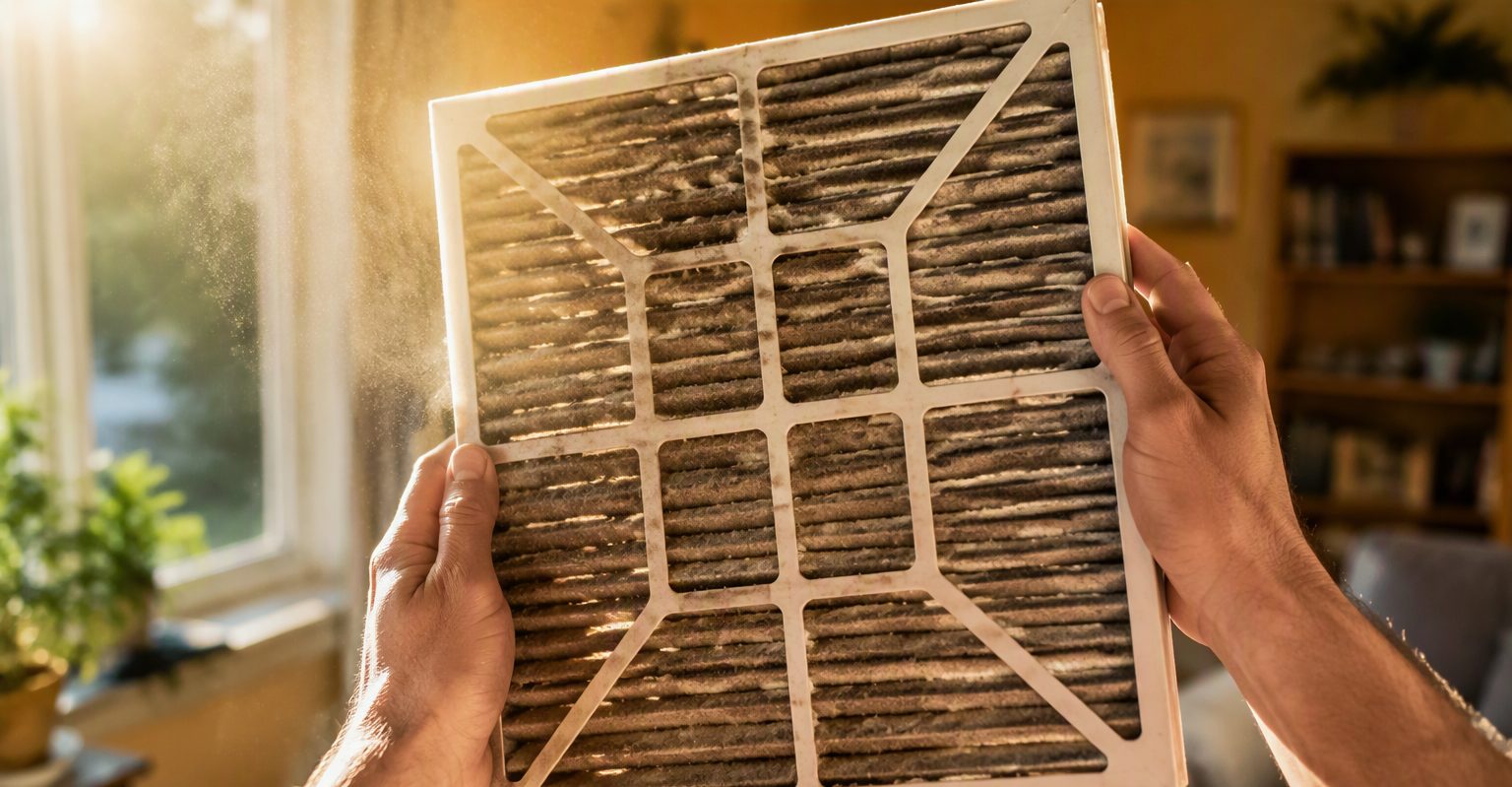
Every filter box in the hardware store prints the same advice: replace every 90 days. That number assumes an average house in an average climate — and Lawrence is neither. Between spring storms, pollen season, harvest-season field dust, and the simple fact that our wind never stops, filters here load up two to three times faster than the national average. A 90-day filter in a Kaw Valley summer is a clogged filter.
The real schedule for our region
Basic one-inch pleated filters: every 30 days from April through October, and check them at two weeks during storm season. If it looks dirty, it is — change it early and don’t think twice.
Thicker four- and five-inch media filters: every 60 to 90 days in summer, with a visual check monthly. These have far more surface area and handle our dust load much better — upgrading the filter rack is one of the most cost-effective improvements an older Lawrence home can make.
Homes near open fields or new construction: cut every interval in half. Field dust is finer than household dust and packs filter media fast.
Why it matters so much here
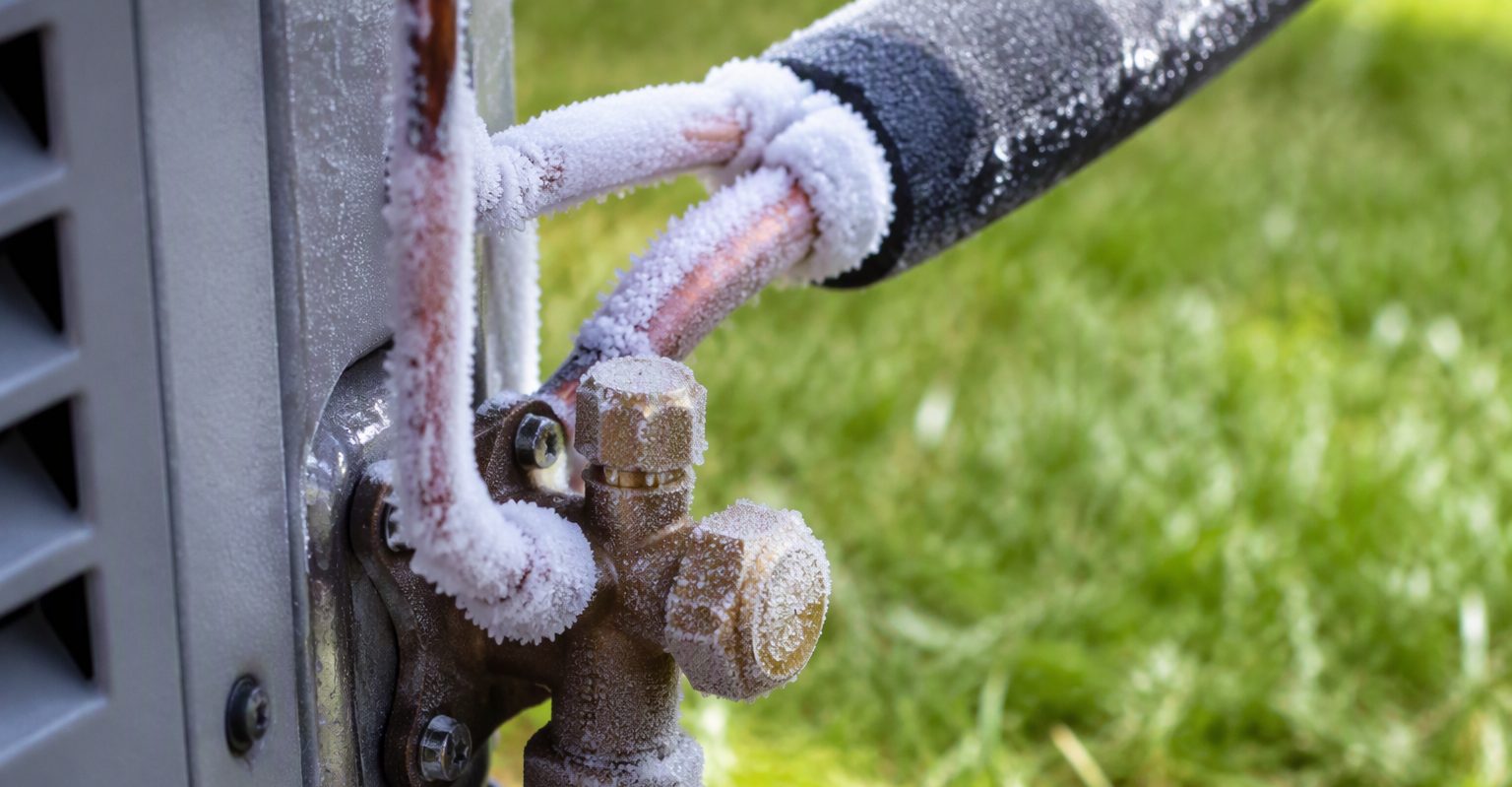
A clogged filter starves the system of airflow. Cooling drops, bills climb, and the evaporator coil can drop below freezing — which is how a five-dollar filter turns into a frozen-coil service call on the hottest day of the year. Restricted airflow is also the number-one killer of blower motors, and it makes the compressor work harder on every cycle.
Filter tips specific to the Kaw Valley
Buy by the case. You will use them. A homeowner who has filters on the shelf actually changes them; one who has to drive to the store puts it off.
Skip the super-premium allergen filters unless someone in the house needs them. Very high-MERV one-inch filters restrict airflow almost like a dirty filter from day one. A mid-range pleated filter changed monthly beats a premium filter changed quarterly, every time.
Write the date on the frame with a marker when you install it. After one dusty Kansas spring, you’ll never guess wrong about the schedule again.
If your system ices up, blows warm, or short-cycles, check the filter first — it’s the most common cause we find. And if a fresh filter doesn’t fix it, that’s when you call us.